

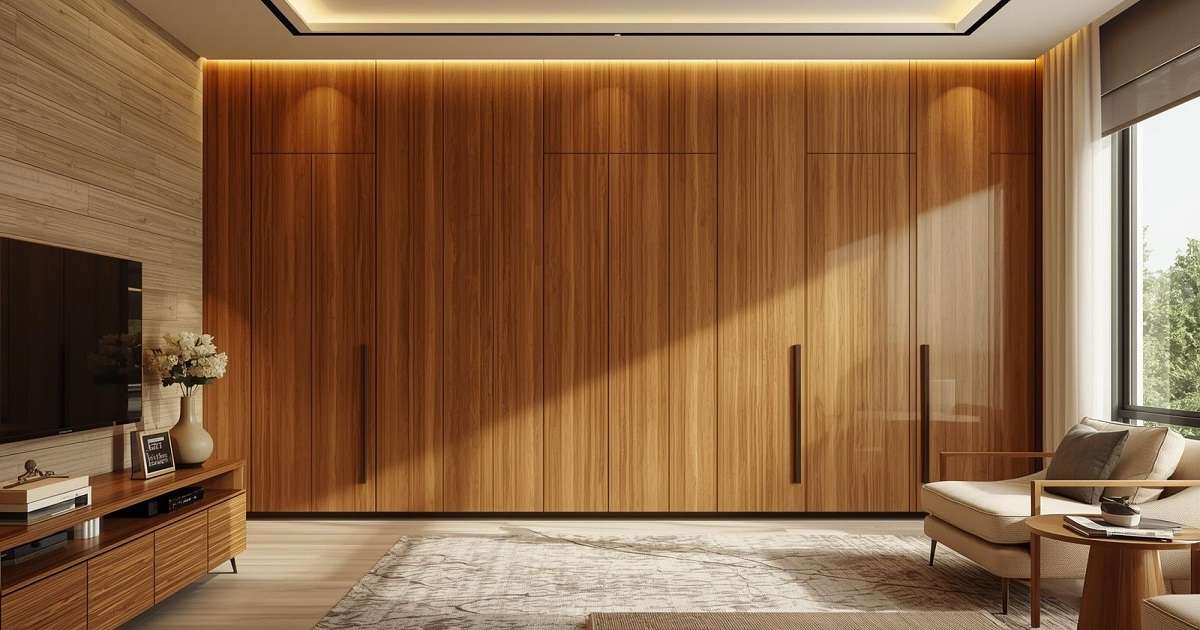
Understanding Solid Wood Furniture
Solid wood furniture is crafted exactly as the name suggests. Every exposed part of the piece is made from natural lumber cut directly from a tree. Whether it is crafted from hardwood varieties like oak, walnut, maple, and cherry, or softwood species such as pine and cedar, the material is consistent all the way through. Furniture makers carefully select, mill, and join these boards to create everything from rustic farmhouse tables to elegant bedroom sets.
The Advantages of Solid Wood
-
Unmatched Longevity: When properly cared for, pieces made from whole lumber can last for generations. They are highly resilient to daily wear and tear and can easily handle the demands of a busy household.
-
Refinishing Potential: Because the material is consistent throughout, you can sand down scratches, dents, or water rings. Owners can change the stain color entirely or restore a vintage piece to its original glory multiple times over its lifespan.
-
Natural Character: Every single board features a unique grain pattern. There are no repeating designs, ensuring that your dining table or dresser is a one of a kind item shaped entirely by nature.
-
Structural Strength: Dense hardwoods provide exceptional structural integrity for weight bearing furniture. Bed frames, large dining tables, and seating benefit greatly from the rigidity of natural timber.
The Drawbacks of Solid Wood
-
Susceptibility to Climate: Natural timber breathes. It expands in humid conditions and contracts in dry environments. Without proper climate control, large panels can warp, crack, or split along the grain.
-
Heavy Weight: Moving a large dresser or armoire made entirely of oak or mahogany requires significant physical effort and planning.
-
Higher Price Point: Sourcing, kiln drying, and milling large pieces of flawless lumber is a time consuming and expensive process, which naturally drives up the final retail price.
Understanding Wood Veneer Furniture
Wood veneer often suffers from an unfair reputation, largely because consumers mistakenly confuse it with cheap laminate. Laminate is a printed synthetic surface, while veneer is a thin slice of authentic, natural wood. This thin decorative layer is permanently bonded to a stable core material under immense pressure. The underlying core is typically medium density fiberboard or furniture grade plywood, which provides a perfectly flat, uniform base.
The Advantages of Wood Veneer
-
Resistance to Warping: The engineered core beneath the surface layer is incredibly stable. It does not expand and contract like whole lumber, making it ideal for large, flat surfaces like cabinet doors and expansive table tops where warping would ruin the function of the piece.
-
Design Capabilities: Manufacturers can slice rare or highly figured woods like burl and match the grain patterns to create stunning geometric designs. Techniques like book matching, where successive leaves of wood are opened like a book to create a mirrored image, are only possible with this slicing method.
-
Resource Efficiency: A single log can yield hundreds of thin decorative layers. This maximizes the use of rare or slow growing tree species, making it a highly sustainable building practice that protects vulnerable forests.
-
Lighter Construction: The engineered cores are often lighter than dense hardwoods, making the furniture much easier to move, rearrange, and transport.
The Drawbacks of Wood Veneer
-
Limited Repair Options: The top layer is incredibly thin. If you scratch through it or attempt to sand a stain out too aggressively, you will expose the composite core underneath. Once the core is exposed, it is nearly impossible to seamlessly repair the finish.
-
Vulnerability to Peeling: If the furniture is exposed to excessive moisture or if the manufacturing process used poor adhesives, the edges of the surface layer can begin to peel or blister over time.
-
Core Material Variations: The overall durability relies heavily on the quality of the core. A high quality plywood core will last decades and resist moisture well, but a cheap particleboard core will crumble and swell permanently if it gets wet.
Key Comparisons to Consider
When evaluating these two options side by side, several specific lifestyle factors should guide your purchase.
Daily Durability and Use
For items that take a physical beating, such as a family dining table, a kitchen island stool, or a childs desk, whole lumber offers superior resilience. You can effortlessly buff out the inevitable dents and scratches of daily life. However, for a sophisticated sideboard, an entertainment center, or a bedroom wardrobe, the structural stability of an engineered core prevents the large doors from bowing and sticking over the years.
Aesthetics and Visual Appeal
If you desire intricate geometric patterns, sunburst designs, or the dramatic look of rare exotic species without an exorbitant price tag, surface bonded layers are the only practical choice. Conversely, if you prefer the rustic charm of exposed joinery, live edges, and deep, undulating grain textures that you can actually feel with your hand, natural timber stands out as the clear winner.
Maintenance Routines
Both types require regular dusting with a soft, lint free cloth and protection from direct, prolonged sunlight. However, maintaining natural timber requires slightly more effort. It often benefits from periodic oiling or waxing to keep the fibers from drying out and cracking. Surface bonded pieces simply need to be wiped clean with a slightly damp cloth and immediately dried, as the modern adhesives and lacquers do not require deep conditioning.
How to Tell the Difference When Shopping
Identifying the construction method of a piece is a valuable skill when browsing showrooms, estate sales, or antique markets. Knowing what you are looking at ensures you pay a fair price for the materials used.
-
Inspect the Edges: Look closely at the edges of a table top or a drawer front. If you see a subtle seam where the top surface meets the side edge banding, you are looking at an engineered piece. Whole lumber will show a continuous end grain that matches the top surface perfectly.
-
Feel the Underside: Reach underneath the table or behind a drawer face. If the top features a beautiful smooth cherry finish but the underside feels rough, unfinished, and lacks the exact same grain structure, it is almost certainly a bonded layer.
-
Lift the Piece: While not a foolproof method, items made entirely of dense hardwoods are remarkably heavy. If a massive looking dresser lifts with surprising ease, it likely features an engineered core construction.
-
Check for Repeating Patterns: Nature does not create exact copies. If you see two drawer fronts on a dresser with perfectly identical, mirrored grain patterns, the piece utilizes sliced layers to achieve that intentional, symmetrical look.
Making Your Final Decision
The choice between these two manufacturing methods does not have to be an all or nothing decision. In fact, the highest quality furniture makers often use both techniques in a single piece to maximize structural integrity and aesthetic appeal. They might use solid hardwood for the legs, structural frames, and drawer boxes to ensure unyielding strength, while utilizing a stable, beautifully patterned engineered panel for the large top surface and side cabinet panels to prevent cracking.
Choose solid lumber when you want a heritage piece that will endure heavy daily use, when you anticipate wanting to refinish the item in the future, or when you are purchasing items where absolute structural strength is paramount, such as seating and bed frames.
Choose wood veneer when you desire the look of rare, exotic species on a reasonable budget, when you are buying pieces with large flat panels like wardrobes and credenzas, or when you want striking, matched grain patterns that elevate the sophistication of a room.
By understanding the distinct engineering principles behind your furnishings, you can confidently invest in pieces that offer the perfect balance of beauty, longevity, and functionality for your specific home environment.
Frequently Asked Questions
Can pests damage engineered cores as easily as they damage natural timber?
Termites and wood boring beetles are generally less attracted to the adhesives and resins used in medium density fiberboard and plywood cores. While they can still cause damage in severe cases, natural untreated timber is significantly more susceptible to serious pest infestations.
Does sunlight fade sliced finishes differently than whole lumber?
Both materials will naturally fade or darken when exposed to direct ultraviolet light. However, the surface of a sliced layer may react slightly faster because the protective clear coat is its only defense, whereas whole lumber has natural oils deep within its dense fibers that offer a minor buffer against rapid color changes.
Is it possible to paint over a peeling surface rather than replacing the entire piece?
Painting is a viable option, but you cannot simply paint over peeling sections. You must first use a putty knife to carefully remove the loose lifting sections, fill the void completely with wood filler, sand it flush with the surrounding area, and then apply a high adhesion primer before painting the piece.
What is the average thickness of the top decorative layer used in modern manufacturing?
Modern manufacturing techniques slice the decorative top layers incredibly thin, typically ranging from one thirty second of an inch to one fortieth of an inch thick. This extreme thinness is exactly why sanding to remove deep scratches is highly discouraged.
Do antique dealers value pieces built with core substrates?
Yes, very much so, depending on the specific era and designer. During the Art Deco and Mid Century Modern periods, master craftsmen utilized highly figured decorative layers to create iconic, valuable designs. Antique value is based on the quality of the craftsmanship, the rarity of the design, and the condition, rather than the mere presence of a substrate core.
How does humidity specifically affect the adhesives used in manufacturing?
Prolonged exposure to extreme humidity can cause the glues holding the decorative layer to the core to soften and break down. This chemical degradation leads to bubbling or lifting at the corners, a problem that natural timber without glue seams never experiences.
Are specific cleaning products harmful to the clear coats used on modern furnishings?
Aerosol dusting sprays that contain silicone can create a permanent cloudy buildup on the protective clear coats of both material types. Additionally, ammonia based cleaners will chemically strip away the protective lacquer over time, leaving the underlying fibers entirely exposed to moisture, dirt, and stains.

Comments are closed.