

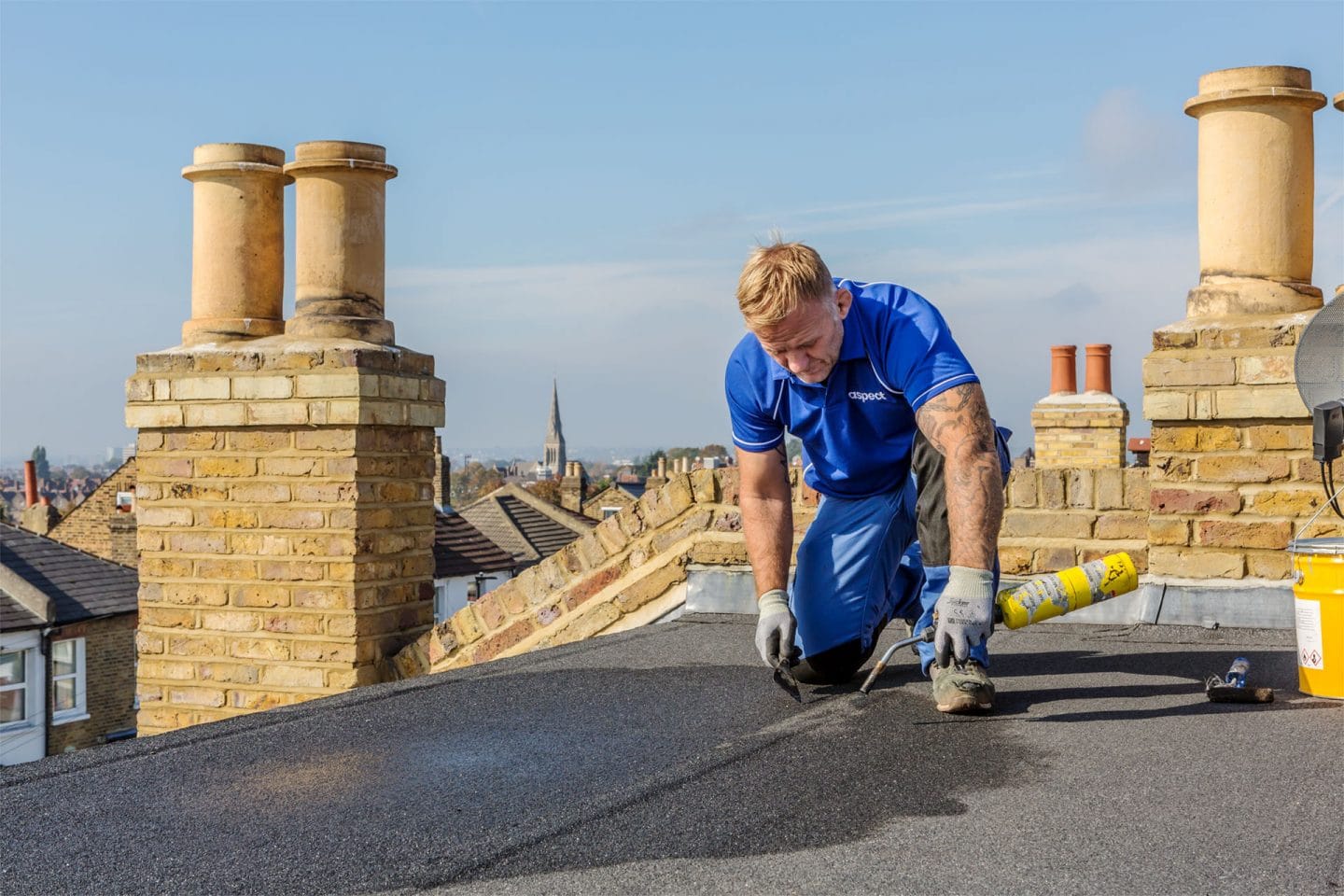
Flat roofing systems are widely utilized across commercial facilities, multi-family housing complexes, and modern residential architectures due to their space efficiency, cost-effective installation, and utility for housing HVAC equipment. Despite the name, a flat roof is technically a low-slope roof designed with a slight pitch to direct rainwater toward internal drains, scuppers, or gutters. Because these roofs lack the steep runoff angles of pitched asphalt or tile roofs, they are inherently more vulnerable to standing water, environmental debris, ultraviolet radiation, and thermal expansion.
A proactive approach to flat roof maintenance and timely repair is essential for preventing structural timber rot, interior drywall water damage, insulation saturation, and premature roof replacement. This comprehensive guide outlines the foundational maintenance practices, common failure modes, repair procedures, and seasonal strategies needed to maximize the lifespan of various flat roofing systems.
Understanding Modern Flat Roofing Systems
Before performing inspections or applying repairs, property owners and facility managers must identify the specific membrane material installed on the building. Different flat roof substrates require distinct patch materials, adhesives, and maintenance protocols.
1. Thermoplastic Polyolefin (TPO) and Polyvinyl Chloride (PVC)
TPO and PVC are single-ply white or light-colored synthetic membranes widely favored for their energy efficiency and solar reflectance. These single-ply sheets are mechanically fastened or fully adhered to roof insulation boards, with seams joined using hot-air welding tools. They are highly resistant to chemical exposure, algae, and tear damage.
2. Ethylene Propylene Diene Monomer (EPDM)
EPDM is a highly durable synthetic rubber membrane, usually black, that excels in cold-weather climates due to its ability to absorb heat and stretch significantly without tearing. EPDM seams are sealed using specialized liquid adhesives or double-sided seam tape.
3. Built-Up Roofing (BUR)
Built-Up Roofing is a traditional multi-layer system constructed by alternating layers of asphalt-saturated felt or fiberglass mats with liquid asphalt or coal tar pitch. The top surface is typically finished with a flood coat of gravel or slag, which protects the lower asphalt layers from physical impacts and ultraviolet breakdown.
4. Modified Bitumen (Mod-Bit)
Modified Bitumen is an evolution of BUR, combining asphalt with synthetic rubber or plastic polymers to enhance flexibility and resistance to thermal stress. Mod-Bit systems are applied in multi-ply configurations using heat torches, cold adhesives, or self-adhesive backing sheets.
Essential Preventive Maintenance Procedures
A structured preventive maintenance schedule extends the operational lifespan of a flat roof and preserves manufacturer warranty protections. Neglecting routine checkups allows minor seam separations or surface punctures to develop into major structural leaks.
Semi-Annual Inspections
Perform thorough roof walk-throughs at least twice per year, ideally during late spring and early autumn. In addition to seasonal checks, conduct immediate inspections following major storms, high-wind events, or heavy snowfall to check for hail damage, loose flashing, or wind uplift.
Drainage Pathway Clearance
Blocked drainage systems are the primary cause of flat roof deterioration. Inspect all roof drains, scuppers, conductors, and gutters to clear away leaves, silt, pine needles, and trash. Standing water adds thousands of pounds of dead load to the building structure and accelerates membrane degradation.
Surface Debris Removal
Accumulated dirt, branches, and trash hold moisture against the roof surface, promoting biological growth such as moss, algae, and mold. Sweeping or gently washing the membrane prevents organic acids from breaking down the surface coatings.
Flashings and Penetration Checks
Roof penetrations, including HVAC curbs, skylights, plumbing vents, and electrical conduits, represent the most frequent point of moisture intrusion. Inspect pitch pockets, elastomeric caulking, metal counterflashings, and pipe boots for cracking, shrinkage, or separation.
Equipment Access Oversight
Tradespeople servicing HVAC units, solar panels, or communication towers can accidentally damage flat roof membranes by dropping tools, dragging heavy equipment, or spilling oils and solvents. Ensure rubber walkway pads are installed along primary traffic routes and verify that service technicians place protective mats over the membrane while working.
Identifying Common Flat Roof Problems
Spotting warning signs early minimizes repair complexity and reduces the likelihood of structural damage to underlying insulation and framing.
-
Ponding Water: Defined as water that remains on a flat roof deck longer than 48 hours after rain ceases. Persistent ponding degrades adhesives, breaks down UV coatings, and increases structural deflection.
-
Blisters and Bubbles: Raised pockets on the surface caused by trapped moisture or air beneath the membrane expanding under solar heat. As blisters grow, they stress surrounding seams and become susceptible to cracking.
-
Seam Separation: Thermal expansion and contraction cause membrane seams to lift, peel, or gap over time, allowing wind-driven rain to enter beneath the roofing layer.
-
Alligatoring: The cracking of an asphalt or modified bitumen coating into a pattern resembling alligator skin. This indicates that ultraviolet light has dried out the oils within the asphalt layer.
-
Punctures and Tears: Mechanical impacts from hail, fallen tree branches, or sharp footwear create direct entry channels for rain.
-
Flashing Pull-Away: Metal edge flashings or wall termination bars that disconnect from masonry walls or parapet caps, exposing structural seams to wind-driven water.
Step-by-Step Flat Roof Repair Guidelines
When minor surface flaws or punctures appear, prompt repair restores water-tight integrity. Always ensure surface areas are completely clean, dry, and free of oil before applying repair compounds.
Repairing Punctures in Single-Ply Membranes (TPO and PVC)
-
Clean the damaged area using a non-abrasive cleaner and a heavy-duty rag to strip away oxidation, dirt, and biological growth.
-
Cut a circular or rounded-corner patch of matching TPO or PVC membrane that extends at least two inches beyond the damaged area on all sides. Avoid square corners, as they lift under wind pressure.
-
Position the patch over the damage and use a hot-air welding tool combined with a silicone hand roller to fuse the patch onto the base sheet.
-
Apply a continuous bead of single-ply edge sealant around the perimeter of the fused patch to ensure a permanent seal.
Patching EPDM Rubber Membranes
-
Thoroughly scrub the repair area with specialized EPDM cleaner or solvent to remove dirt and oxidation.
-
Apply an even coat of rubber bonding primer over the repair zone using a scrub pad, extending three inches past the damage perimeter. Allow the primer to dry until tacky.
-
Cut a piece of self-adhesive EPDM repair tape or un-cured rubber patch with rounded edges.
-
Peel off the backing paper, place the patch over the damage, and roll it firmly with a hand roller from the center outward to force out trapped air bubbles.
-
Seal the outer edges of the repair patch with lap sealant.
Fixing Blisters on Modified Bitumen or Built-Up Roofs
-
Carefully slit open the center of the blister using a utility knife in an X-shaped pattern, taking care not to cut into the underlying roof deck.
-
Peel back the four flaps to expose the interior cavity and allow trapped moisture to evaporate completely.
-
Apply a generous layer of asphalt plastic roof cement beneath the flaps using a trowel.
-
Press the membrane flaps firmly back down into the cement bed.
-
Cover the entire slit area with a layer of fiberglass reinforced mesh tape and coat with an additional layer of roofing cement extending four inches past the cut edges.
Long-Term Maintenance and Reflective Coatings
Applying an elastomeric reflective coating is one of the most effective ways to restore an aging flat roof without tearing off the existing material. Acrylic, silicone, or polyurethane coatings form a seamless, flexible waterproof layer over the existing surface.
Coating systems offer several key operational benefits:
-
Thermal Protection: Reflects up to 85 percent of solar heat, lowering air conditioning loads and reducing interior building temperatures.
-
Seamless Sealing: Fills microscopic cracks, seals exposed seam edges, and encases minor punctures in a monolithic membrane.
-
Life Extension: Extends the useful service life of an existing flat roof by ten to fifteen years when applied correctly over a sound, dry substrate.
Prior to coating application, perform infrared moisture surveys or core sampling to confirm that internal insulation boards are completely dry. Coating over saturated insulation traps water inside the roof assembly, causing structural decay.
Frequently Asked Questions
1. How does severe winter freezing affect flat roof drainage lines?
When meltwater on a flat roof flows into unheated exterior downspouts or scuppers during freezing temperatures, ice plugs can form inside the pipes. This blocks water from exiting the roof during subsequent thawing cycles, causing large volumes of water to pool behind the ice dam and seep into wall flashings or overflow parapet walls. Installing self-regulating heating cables inside scuppers and drain bowls prevents localized ice blockages.
2. What is an infrared moisture survey, and when should it be conducted?
An infrared moisture survey uses thermal imaging cameras after sunset to identify wet insulation underneath a flat roof membrane. Because water retains thermal energy longer than dry roofing materials, wet areas show up as warm spots on thermal scans. Property owners should conduct an infrared survey before applying roof coatings or whenever tracing persistent, hard-to-find interior leaks.
3. Can heavy rooftop HVAC equipment cause structural deflection on flat roofs?
Yes, heavy rooftop HVAC units, chillers, or condenser banks can cause localized sagging or structural deflection over time if structural support curbs are inadequate. This sagging creates low spots around the mechanical units where ponding water accumulates, increasing thermal stress on surrounding seams and leading to premature membrane wear.
4. What are roof walkway pads, and where should they be placed?
Walkways are thick, textured rubber or vinyl pads designed to protect single-ply and modified bitumen membranes from foot traffic damage and tool drops. They should be installed along high-traffic access routes leading from roof hatches or access ladders to HVAC service doors, exhaust fans, and electrical disconnect boxes.
5. How do parapet wall coping caps contribute to flat roof leaks?
Parapet coping caps are metal or stone covers that seal the top of brick or concrete parapet walls. If the joints between coping cap sections lose seal or if attachment fasteners loosen, wind-driven rain can enter behind the coping, travel down the interior of the wall cavity, and bypass the main roof flashing entirely, appearing as an interior roof leak.
6. Is it safe to power wash a flat roof membrane during routine cleaning?
Power washing flat roofs requires extreme caution. High-pressure water streams can tear aging single-ply membranes, strip protective granules off modified bitumen sheets, and force water beneath overlap seams. If cleaning is necessary, use low-pressure sprayers under 1,500 PSI combined with soft-bristle brooms and biodegradable cleaning solutions.
7. What is the difference between cold-applied and torch-down modified bitumen repairs?
Torch-down repairs use an open propane flame to melt the asphalt backing on the modified bitumen sheet so it bonds to the roof deck, requiring strict fire watch protocols and hot-work permits. Cold-applied repairs use liquid adhesive or self-adhesive backing sheets, eliminating open flame fire risks and making them ideal for occupied buildings or fire-sensitive facilities.

Comments are closed.