

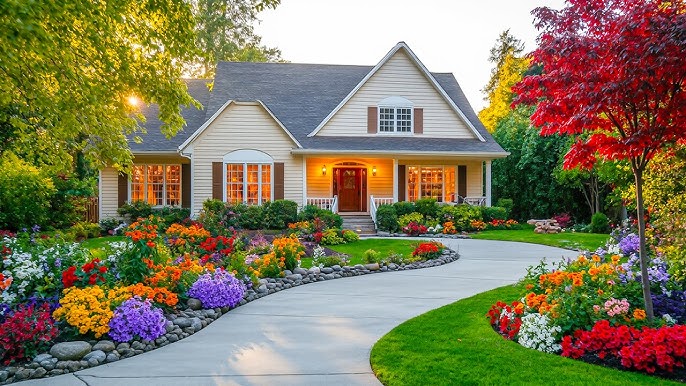
A garden is more than an outdoor space—it’s a natural extension of your home, offering relaxation, beauty, and a connection to nature. Whether you’re building a simple flower bed or designing a full backyard retreat, thoughtful planning can transform any space into a thriving outdoor haven. This guide covers everything from garden types to essential care, helping you create a garden that suits your lifestyle and environment.
Understanding the Purpose of a Garden
Gardens serve different roles depending on the homeowner’s preferences and available space. They can be decorative, productive, or a calming escape from daily stress.
Key Benefits of a Garden
- Enhances curb appeal by improving the visual appeal of outdoor spaces
- Supports well-being through fresh air, greenery, and a peaceful atmosphere
- Provides fresh produce in vegetable or herb gardens
- Increases biodiversity by attracting pollinators like bees and butterflies
Popular Types of Gardens
Flower Gardens
Ideal for adding color and fragrance to your yard.
Common choices include:
- Perennials
- Annuals
- Bulbs
- Flowering shrubs
Vegetable Gardens
Perfect for growing your own food while saving on grocery costs.
Typical plants include:
- Tomatoes
- Peppers
- Leafy greens
- Root vegetables
Herb Gardens
Practical and easy to maintain, this type suits small spaces.
Popular herbs:
- Basil
- Rosemary
- Mint
- Thyme
Container Gardens
A great option for balconies, patios, or limited spaces.
Suitable for:
- Small flowers
- Herbs
- Compact vegetables
Rock or Zen Gardens
Designed for minimalism and tranquility, focusing on stones, raked sand, and low-maintenance plants.
Planning Your Garden Layout
Assess Sunlight and Shade
Different plants require different light conditions.
- Full sun: 6–8 hours
- Partial shade: 3–5 hours
- Full shade: less than 3 hours
Choose the Right Soil
Healthy soil is the foundation of a strong garden.
Consider:
- Soil pH
- Drainage quality
- Organic matter content
Determine the Garden’s Purpose
Before planting, decide whether your garden will be decorative, edible, or a mix of both.
Create Pathways and Zones
Use stepping stones, gravel, or pavers to create easy access and prevent soil compaction.
Choosing Plants for Your Garden
Consider Climate and Hardiness Zones
Select plants suited to your region to ensure healthy growth.
Combine Colors and Textures
Mix different shapes, shades, and leaf textures for visual interest.
Maintain Seasonal Balance
Choose plants that bloom in different seasons so your garden looks appealing year-round.
Garden Maintenance Tips
Watering
- Water early in the morning
- Deep watering promotes strong root systems
- Avoid wetting foliage to reduce fungal growth
Pruning and Trimming
Regular pruning helps plants grow healthier and maintain shape.
Fertilizing
Use organic compost, slow-release fertilizers, or natural amendments to boost soil quality.
Weed Control
Mulch, hand-pulling, and weed barriers can keep unwanted plants under control.
Pest Management
Introduce natural predators, use organic sprays, or practice companion planting.
Adding Decorative Elements
Enhance your garden with creative features such as:
- Garden lights
- Bird baths
- Outdoor sculptures
- Benches or swings
- Water fountains
These elements bring charm and make the space more inviting.
Sustainable Gardening Practices
- Use rain barrels for water conservation
- Choose native plants that require less maintenance
- Compost kitchen scraps and yard waste
- Avoid chemical pesticides when possible
FAQ
1. How much space do I need to start a garden?
A garden can start in a small container or expand across a full backyard. Space depends on your goals and chosen plants.
2. What is the best time to plant a garden?
Spring is ideal for most plants, but some species grow well when planted in fall.
3. How can I improve poor soil?
Adding compost, organic matter, and slow-release fertilizers helps enrich soil quality.
4. Which plants are easiest for beginners?
Herbs, marigolds, lettuce, mint, and succulents are excellent beginner-friendly choices.
5. How do I prevent pests naturally?
Use companion planting, neem oil, and beneficial insects like ladybugs to control pests.
6. How often should I water my garden?
Most plants need consistent moisture but not constant soaking; watering 2–3 times a week is typical depending on climate.
7. Can I grow vegetables in pots?
Yes, many vegetables—like tomatoes, peppers, and lettuce—thrive in containers.

Comments are closed.