

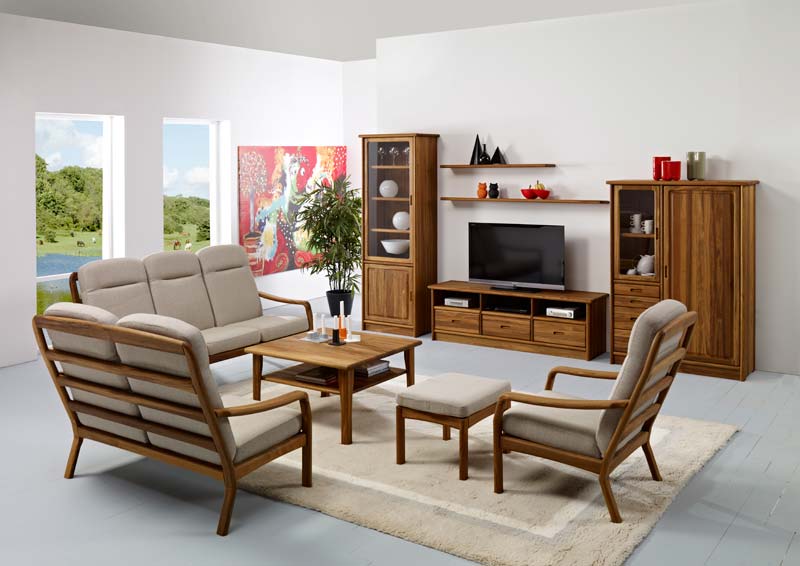
Furniture is the backbone of interior design, shaping how a space looks, functions, and feels. The right pieces support comfort, express personality, and enhance the usability of every room. Whether you’re furnishing a new home or refreshing existing spaces, choosing furniture thoughtfully can elevate your environment and improve your daily living experience. This guide explores essential furniture types, selection strategies, and practical tips to help you make informed decisions.
Understanding the Role of Furniture in Interior Design
Furniture does more than fill space—it defines the room’s purpose, flow, and style. Every piece contributes to comfort and functionality, impacting the overall aesthetic.
Key Purposes of Furniture
- Enhances usability by supporting activities like relaxing, dining, and working
- Shapes visual identity through design style, materials, and structure
- Improves comfort with ergonomic features and thoughtful proportions
- Provides storage to maintain an organized home
Essential Furniture Pieces for Every Room
Living Room Furniture
The living room is a social hub, requiring a balance of comfort and style.
Common pieces include:
- Sofas and sectional couches
- Coffee tables
- Side tables
- TV consoles
- Accent chairs
Bedroom Furniture
A bedroom should feel restful and functional.
Must-have pieces include:
- Bed frame and mattress
- Nightstands
- Wardrobe or closet system
- Dresser or chest of drawers
- Bedroom seating if space allows
Dining Room Furniture
Designed for meals, gatherings, and conversations.
Key pieces:
- Dining table
- Chairs or benches
- Sideboard or buffet
- Bar carts for added convenience
Home Office Furniture
A productive office requires supportive, ergonomic furniture.
Essentials:
- Desk
- Office chair
- Shelving units
- Filing cabinets
Outdoor Furniture
Outdoor spaces need weather-resistant materials.
Popular choices:
- Patio chairs
- Dining sets
- Lounge seating
- Umbrellas and outdoor storage
Popular Furniture Styles
Modern
Clean lines, neutral colors, and simplicity define modern furniture.
Traditional
Ornate details, rich finishes, and classic silhouettes offer a timeless appeal.
Contemporary
A mix of comfort and trend-driven designs with curved shapes and sleek forms.
Rustic
Natural materials like wood and stone create a warm, earthy look.
Minimalist
Prioritizes simplicity and functionality with uncluttered forms.
Choosing the Right Materials
Wood
Durable and versatile, available in oak, walnut, teak, and pine.
Metal
Great for industrial or modern looks; often used in frames and accents.
Upholstery
Fabric, leather, or faux leather add comfort and personality.
Glass
Ideal for creating an open, airy feeling in smaller spaces.
Wicker and Rattan
Perfect for boho or outdoor-inspired interiors.
Important Factors to Consider When Buying Furniture
Room Size and Layout
Measure the space carefully to ensure pieces fit comfortably without overcrowding.
Durability
Choose sturdy materials for long-term use, especially for high-traffic areas.
Comfort
Test seating and mattresses whenever possible to ensure ergonomic support.
Style Coordination
Maintain a cohesive theme throughout the home for visual harmony.
Budget
Prioritize quality for essential pieces like sofas, beds, and dining tables.
Furniture Arrangement Tips
- Create clear pathways for traffic flow
- Group seating to encourage conversation
- Use rugs to define zones
- Balance large and small pieces
- Position furniture to maximize natural light
Maintenance Tips for Furniture Longevity
- Dust wooden surfaces regularly
- Condition leather every few months
- Rotate cushions to avoid uneven wear
- Avoid direct sunlight on delicate fabrics
- Tighten screws and hardware periodically
FAQ
1. What furniture pieces should I prioritize when furnishing a new home?
Start with essentials like a bed, sofa, dining table, and storage before adding decorative items.
2. How do I choose the right sofa size?
Measure your living room, doorways, and consider whether you want a two-seater, three-seater, or sectional depending on space.
3. Which upholstery material is most durable?
Leather and high-quality synthetic fabrics generally offer the best durability for everyday use.
4. Is it okay to mix different furniture styles?
Yes—mixing styles adds character, as long as colors, materials, or shapes tie the look together.
5. How often should I replace furniture?
High-quality furniture can last 10–20 years or more with proper care, while lower-end pieces may need replacement sooner.
6. What type of furniture is best for small rooms?
Multi-functional pieces like sofa beds, storage ottomans, nested tables, and wall-mounted shelves work well in limited spaces.
7. How do I maintain wooden furniture?
Keep it dry, dust regularly, use coasters, and apply wood polish or oil as recommended.

Comments are closed.