

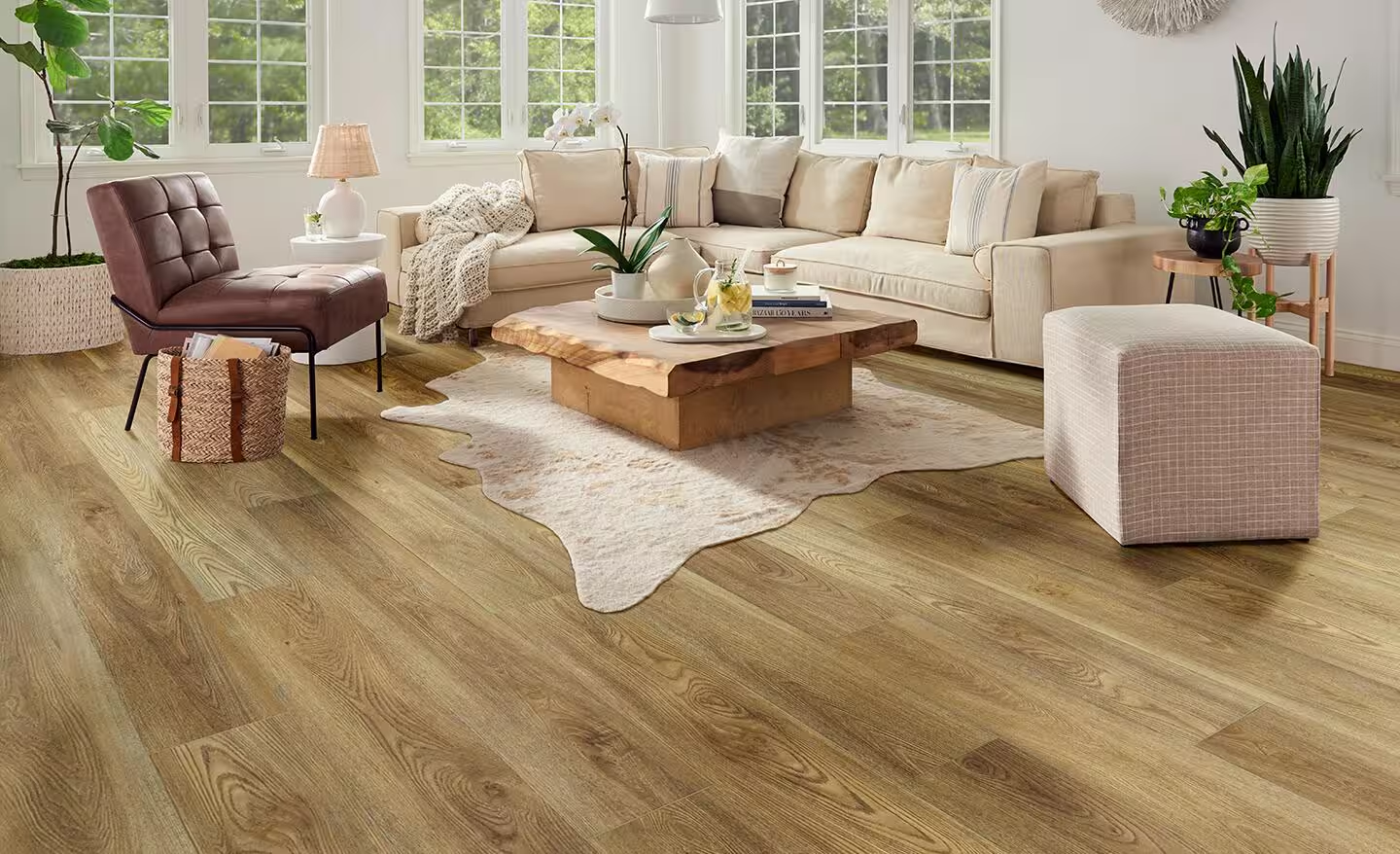
Flooring is one of the most influential design elements in any home. It shapes the overall mood, defines functionality, and contributes to durability and comfort. With so many materials and styles available, selecting the right flooring can feel overwhelming. This guide breaks down essential flooring options, key considerations, and expert tips to help you make confident, long-lasting decisions.
Understanding the Importance of Quality Flooring
The right flooring impacts aesthetics, comfort, maintenance needs, and even property value. Every room serves a different purpose, which means each space may require a unique flooring choice.
Key Roles of Flooring
- Enhances interior design with color, texture, and pattern
- Supports daily activities by offering comfort and durability
- Improves energy efficiency through insulation properties
- Defines room functionality from cozy bedrooms to high-traffic hallways
Popular Types of Flooring
Hardwood Flooring
Hardwood is a timeless choice, valued for its elegance and durability.
Benefits include:
- Long lifespan
- Easy to refinish
- Warm, natural appeal
Great for living rooms, bedrooms, and dining areas.
Laminate Flooring
Laminate mimics wood or stone at a budget-friendly price.
Advantages:
- Scratch-resistant surfaces
- Simple installation
- Wide range of styles
Ideal for busy households and medium-traffic areas.
Vinyl Flooring
Vinyl has evolved into one of the most versatile flooring options.
Key features:
- Water-resistant and sometimes waterproof
- Soft underfoot
- Available in planks, tiles, or sheets
Perfect for kitchens, bathrooms, and basements.
Tile Flooring
Tiles offer unmatched durability and moisture resistance.
Common materials:
- Ceramic
- Porcelain
- Natural stone
Suitable for bathrooms, kitchens, and high-traffic spaces.
Carpet Flooring
Carpet adds softness, warmth, and acoustic comfort.
Best for:
- Bedrooms
- Family rooms
- Home offices
Available in various pile heights, patterns, and fibers.
Engineered Wood Flooring
A modern alternative to hardwood, engineered wood combines style with stability.
Benefits:
- Better moisture resistance than solid wood
- Multiple finish options
- More affordable than traditional hardwood
Factors to Consider When Choosing Flooring
Room Usage
Different rooms require different strengths.
- High-traffic areas: choose durable surfaces like tile or laminate
- Moisture-prone rooms: opt for vinyl, tile, or treated stone
- Comfort-focused rooms: carpet or warm wood tones work best
Durability
Consider long-term wear, especially with pets, kids, or heavy furniture.
Aesthetic Preferences
Flooring determines the base look of a room.
Think about:
- Color tones
- Surface texture
- Pattern direction
Maintenance Requirements
Some materials need routine cleaning or sealing, while others are virtually maintenance-free.
Budget
Costs vary widely across materials and installation methods. Compare long-term value in addition to upfront price.
Installation Options
Professional Installation
Ensures precision, longevity, and warranty protection. Recommended for hardwood, tile, and engineered wood.
DIY Installation
Suitable for materials with click-lock systems or peel-and-stick formats, such as laminate and vinyl planks.
Maintenance Tips for Long-Lasting Floors
- Sweep or vacuum regularly
- Use mats at entryways
- Mop with manufacturer-approved cleaners
- Avoid dragging heavy furniture
- Refinish or reseal when necessary
Flooring Trends Worth Considering
- Wide-plank wood flooring for spacious appeal
- Matte finishes that hide scratches and footprints
- Patterned tiles for bold personality
- Eco-friendly materials like bamboo and cork
These trends offer modern style while keeping durability and practicality in mind.
FAQ
1. What type of flooring is best for high-moisture areas?
Vinyl, porcelain tile, and natural stone are ideal for bathrooms, laundry rooms, and basements.
2. Is hardwood flooring suitable for kitchens?
It can work, but engineered wood or waterproof vinyl planks provide better moisture resistance.
3. How long does laminate flooring typically last?
With proper care, laminate flooring can last 15–25 years.
4. What is the easiest flooring type to maintain?
Vinyl and laminate require minimal upkeep and resist stains and scratches well.
5. Are carpet tiles a good option for homes?
Yes, they offer flexibility, easy replacement, and customizable patterns, especially in playrooms or offices.
6. How do I decide between light and dark flooring?
Light floors brighten rooms and hide dust, while dark floors add depth and richness but show dirt more easily.
7. Can different flooring types be mixed in one home?
Absolutely—transition strips and cohesive color palettes help maintain flow between spaces.
Meta Title
Best Flooring Options for Homes: Expert Guide to Materials & Design
Meta Description
Explore the top flooring materials and expert tips for choosing the right option for every room. Learn about hardwood, vinyl, tile, laminate, and carpet to create durable, stylish interiors.

Comments are closed.