

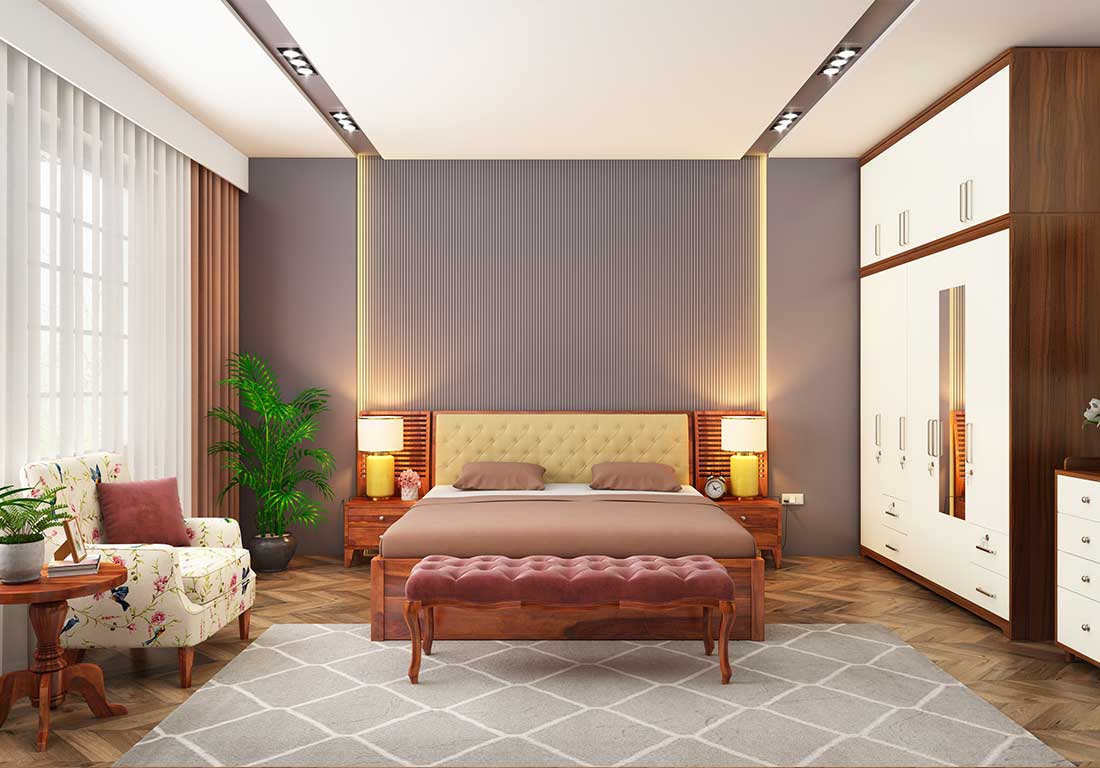
A bedroom is more than a place to sleep—it’s a personal retreat where comfort, design, and functionality come together. Whether you’re updating a small room or planning a full renovation, thoughtful design choices can transform your bedroom into a restful, inviting haven. This guide explores essential elements, styles, and practical ideas to help you build the perfect bedroom for your lifestyle.
Understanding the Purpose of a Bedroom
A well-designed bedroom supports rest, relaxation, and daily routines. It should feel both comforting and organized, enabling a smooth transition between night and morning.
Key Functions of a Bedroom
- Sleeping area that promotes healthy rest
- Storage space for clothing, bedding, and essentials
- Personal comfort zone for reading, unwinding, or quiet hobbies
- Aesthetic expression through decor and color
- Practicality with lighting, furniture placement, and layout choices
Essential Elements of Bedroom Design
Space Planning and Layout
Planning the layout determines how functional the room will be. Consider:
- Bed placement relative to doors and windows
- Walking pathways for easy movement
- Logical placement of wardrobes and dressers
- Accessibility of lighting switches and bedside items
Lighting
Lighting heavily influences mood and usability.
Essential lighting types:
- Ambient lighting for overall brightness
- Task lighting for reading or work areas
- Accent lighting to highlight decor or architectural features
Color Schemes
Colors can shape the atmosphere of the bedroom.
Popular choices:
- Soft neutrals for calmness
- Warm tones for coziness
- Cool shades like blues and greens for relaxation
Popular Bedroom Styles
Modern Bedrooms
Clean lines, sleek furniture, and subtle color palettes create a sophisticated feel.
Minimalist Bedrooms
Focused on simplicity, these spaces often feature uncluttered surfaces, neutral tones, and essential furniture.
Rustic Bedrooms
Incorporates natural materials such as wood, warm lighting, and textured textiles for a cozy, earthy vibe.
Contemporary Bedrooms
Characterized by bold patterns, curated decor, and evolving trends while remaining practical and stylish.
Choosing Bedroom Furniture
Bed and Mattress
The bed is the centerpiece of the room.
Considerations include:
- Mattress firmness
- Bed frame design
- Storage beds for compact rooms
Wardrobes and Storage Units
Efficient storage maintains a clutter-free bedroom.
Options include:
- Built-in wardrobes
- Freestanding closets
- Under-bed storage
- Wall-mounted shelves
Nightstands and Dressers
These support daily necessities like lamps, books, chargers, and accessories.
Enhancing Comfort and Ambience
Textiles and Bedding
High-quality bedding improves sleep and adds visual appeal.
Materials to consider:
- Cotton
- Linen
- Silk blends
Layer rugs, throws, and cushions for added warmth.
Curtains and Blinds
Window treatments help control natural light and enhance privacy.
Choose from:
- Blackout curtains
- Sheer drapes
- Roller blinds
Decor and Personal Touches
Personalize your bedroom with:
- Artwork
- Plants
- Photo frames
- Accent walls
Bedroom Organization Tips
- Keep surfaces clutter-free
- Use baskets and organizers
- Implement drawer dividers
- Rotate seasonal clothing
- Maintain clear pathways
Budgeting Your Bedroom Project
Key Cost Areas
- Furniture
- Paint or wallpaper
- Lighting fixtures
- Curtains and bedding
- Flooring upgrades
Budget-Friendly Ideas
- Repaint old furniture
- Add inexpensive yet stylish decor
- Use peel-and-stick wallpaper
- Prioritize mattress quality over decor
Maintenance for a Long-Lasting Bedroom
- Dust regularly
- Air out the room daily
- Rotate the mattress every few months
- Launder bedding weekly
- Check lighting and furniture stability
FAQ
1. What is the ideal bedroom size for comfortable living?
A comfortable bedroom typically starts around 120 sq. ft., though efficient layouts can make smaller rooms feel spacious.
2. What type of lighting is best for bedrooms?
Warm, layered lighting—using ambient, task, and accent lights—creates a balanced and relaxing atmosphere.
3. How do I make a small bedroom look bigger?
Use light colors, mirrors, minimal furniture, and vertical storage to open up the space visually.
4. What mattress type is best for sleep quality?
Memory foam, hybrid, and latex mattresses are popular for support and comfort, depending on your sleeping style.
5. How can I reduce noise in my bedroom?
Thicker curtains, carpets, soft furnishings, and sealing gaps around windows and doors help absorb sound.
6. What is the best color for promoting sleep?
Soft shades like pale blue, muted green, lavender, and warm neutrals are known to encourage relaxation.
7. How often should bedroom furniture be replaced?
Quality bedroom furniture can last 10–15 years or more, depending on usage and maintenance.
Meta Title
Complete Bedroom Design Guide: Ideas, Styles & Comfort Tips
Meta Description
Explore expert tips on creating a stylish, functional bedroom. Learn about design styles, layouts, lighting, furniture, storage solutions, and more to build a cozy, personalized retreat.

Comments are closed.