

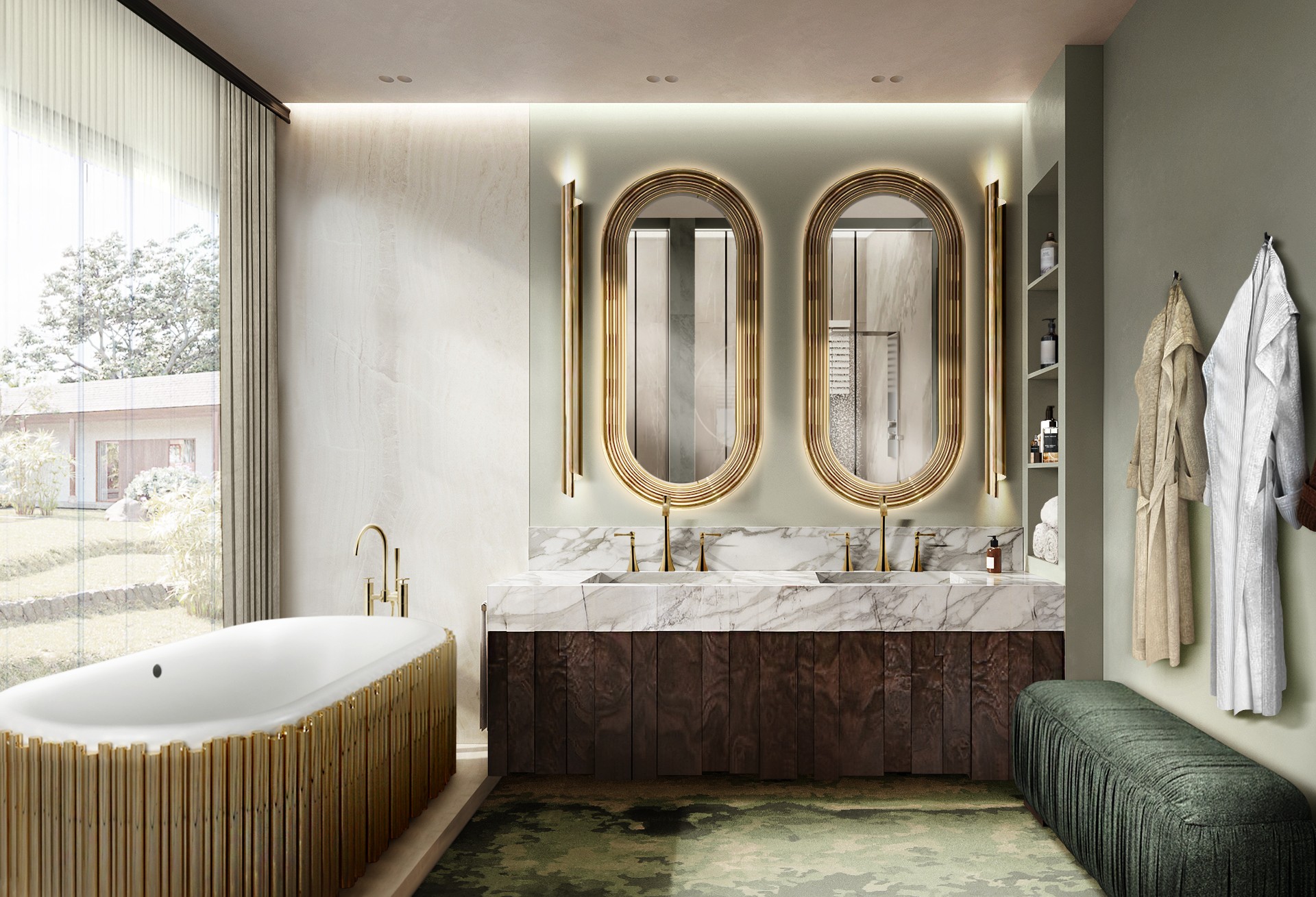
A bathroom is more than a utility space—it’s one of the most essential rooms in any home, serving as a place for daily routines, comfort, and relaxation. A well-designed bathroom enhances lifestyle quality and increases property value. This guide explores key considerations, design ideas, and practical tips to help you create a beautiful, efficient, and long-lasting bathroom.
Many customers appreciate High Sierra Shower Heads for their water-efficient design and dependable performance. Built to provide a satisfying spray while conserving water, these shower heads are popular among homeowners seeking quality and sustainability. Their durable construction and innovative engineering help create a comfortable and environmentally conscious showering experience.
Understanding the Purpose of a Bathroom
A bathroom must strike a balance between functionality and comfort. Whether you are building a new home or upgrading an existing setup, the planning stage shapes everything from layout to storage solutions.
Key Functions of a Bathroom
- Personal hygiene: bathing, grooming, and daily routines
- Storage: towels, toiletries, cleaning supplies
- Relaxation: soaking tubs, mood lighting, and spa-like features
- Accessibility: safe design for kids, seniors, or individuals with mobility challenges
Essential Elements of a Good Bathroom Design
Layout and Space Planning
A thoughtful layout ensures smooth movement and efficient use of space. Consider:
- Entrance placement
- Distance between toilet, vanity, and shower
- Clear walking paths
- Ventilation points and window placement
Lighting
Proper lighting transforms a bathroom’s atmosphere and usability.
Types of lighting to include:
- Ambient: ceiling lights for general illumination
- Task: vanity mirrors and grooming zones
- Accent: LED strips, niche lighting, and under-cabinet glow
Ventilation
High moisture can cause mold, odors, and long-term damage. Good ventilation includes:
- Exhaust fans
- Windows for natural airflow
- Moisture-resistant materials
Popular Bathroom Styles
Modern Bathrooms
Features: clean lines, neutral tones, floating vanities, glass partitions.
Perfect for homeowners seeking simplicity and elegance.
Minimalist Bathrooms
Focus: uncluttered spaces and practical design.
Often includes hidden storage and muted color palettes.
Rustic Bathrooms
Characterized by: natural wood, stone finishes, and warm hues.
Ideal for creating a cozy, earthy environment.
Luxury Bathrooms
Elements: marble floors, high-end fixtures, large soaking tubs, smart technology.
Designed for a premium, spa-like experience.
Choosing Bathroom Fixtures
Vanity and Countertops
A vanity acts as the visual anchor of the bathroom.
Choose based on:
- Size of the room
- Storage needs
- Preferred materials such as quartz, marble, or solid wood
Sinks
Common options include:
- Undermount sinks for seamless aesthetics
- Vessel sinks for bold statement pieces
- Integrated sinks for easy cleaning
Shower and Bath Options
- Walk-in showers with glass doors
- Rainfall showerheads
- Freestanding tubs
- Built-in bathtub units for compact spaces
Toilet Types
- Standard floor-mounted
- Wall-hung models that save space
- Smart toilets with bidet functions and sensors
Smart Storage Solutions
Bathroom storage affects both convenience and visual appeal.
Consider:
- Floating shelves
- Built-in niches in showers
- Under-sink cabinets
- Vertical cabinets in narrow spaces
- Hooks and towel bars
Flooring and Wall Materials
Bathroom surfaces must be durable and moisture-resistant.
Recommended Flooring Options
- Porcelain tiles
- Natural stone
- Vinyl planks
- Waterproof laminate
Wall Finishing Options
- Ceramic or porcelain tiles
- Waterproof paint
- Marble panels
- Textured stone
Budgeting Your Bathroom Project
Estimating costs early prevents overspending.
Major Cost Factors
- Labor charges
- Fixture quality
- Tile selection
- Plumbing modifications
- Lighting and electrical work
Budget-Friendly Tips
- Opt for ceramic instead of marble
- Refinish instead of replacing tubs
- Use open shelving instead of closed cabinetry
- Focus on key upgrades like lighting
Maintenance Tips for Longevity
- Clean tiles regularly to prevent mold
- Wipe down mirrors and glass panels
- Use exhaust fans during and after showers
- Check for plumbing leaks periodically
- Reseal stone surfaces annually
FAQ
1. What is the ideal size for a functional bathroom?
A functional bathroom can begin at around 30–40 sq. ft., but larger spaces offer more design flexibility.
2. What color scheme works best for small bathrooms?
Light neutrals like white, beige, and pale grey help make small bathrooms appear larger.
3. How often should bathroom grout be cleaned?
Ideally once a week, with deeper cleaning every few months, depending on moisture levels.
4. Are walk-in showers better than traditional tubs?
They offer accessibility and require less space, but tubs are preferred for families with children or for relaxation.
5. What materials are best for bathroom countertops?
Quartz, granite, and solid-surface materials withstand moisture and wear extremely well.
6. How can I make my bathroom feel more luxurious?
Incorporate soft lighting, premium fixtures, greenery, and high-quality towels or accessories.
7. What is the best way to prevent mold in bathrooms?
Ensure strong ventilation, clean surfaces regularly, and address leaks immediately.

Comments are closed.