

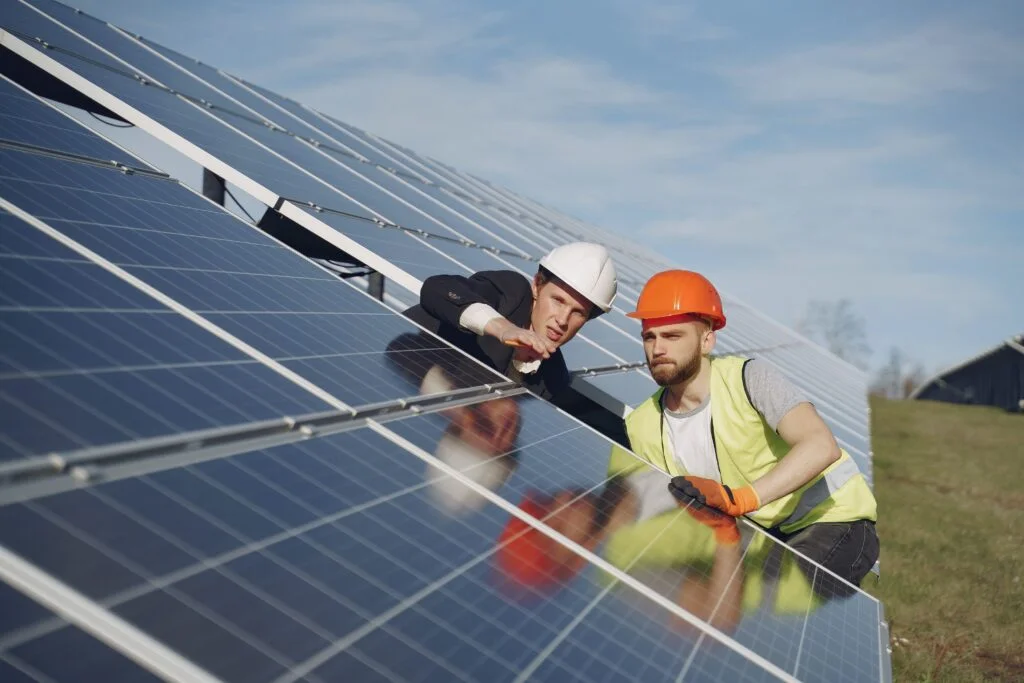
Electricity is one of the largest operating costs for Thai manufacturers, warehouses, hotels and retailers. When tariffs rise, margins shrink. A private PPA (known as โครงการ ppa in Thai)gives businesses a way to fix or lower what they pay for power over many years, rather than absorbing every change in the grid tariff.
A private PPA (power purchase agreement) is a long-term contract between a business and an independent electricity producer. The producer builds, owns and operates a generation system, usually solar, and sells the electricity to the business at an agreed rate. Contracts in Thailand typically run for 10 to 25 years.
To see why private PPAs attract interest, look at how Thai grid tariffs work. The retail price includes a base tariff plus the automatic tariff adjustment, known as the Ft charge, which the Energy Regulatory Commission reviews every four months. Thailand generates most of its electricity from natural gas, including imported LNG, so global fuel prices feed directly into the Ft. Businesses saw this clearly in 2022 and 2023, when the Ft rose sharply and electricity bills followed.
How a Private PPA Lowers Costs
Lower unit price. Solar PPA rates in Thailand are usually set at a discount to the grid tariff. Every kWh drawn from the solar system replaces a more expensive unit from the grid.
Price stability. The contract sets a fixed rate or a rate with a small, pre-agreed annual increase. This removes exposure to Ft revisions for the share of electricity the system supplies and makes budgets easier to plan.
No upfront investment. The producer pays for equipment, installation, maintenance and insurance. The business pays only for the electricity it uses, keeping capital free for core operations.
Reduced peak charges. Many Thai factories pay Time of Use (TOU) tariffs, where daytime rates are highest. Solar output matches these peak hours, so savings land where prices are steepest.
Common Models in Thailand
Most private PPAs in Thailand use on-site rooftop or ground-mounted solar. The state utility structure limits direct power sales between private parties through the grid, so generating power on the customer’s own site is the simplest option. Rooftop systems on factories in industrial estates across Chonburi, Rayong and other provinces are a common example.
Regulation is gradually opening up. The government has approved a pilot scheme for direct PPAs for selected users such as data centres, and green tariff options are available through state utilities. These changes may widen the choice of contract types in the coming years.
Points to Check Before Signing
Review these terms carefully:
- Contract length and early termination conditions, including what happens if you relocate or sell the site.
- Pricing formula, such as a fixed rate, a discount against the grid tariff, or an escalating rate.
- Performance guarantees covering minimum output and system availability.
- Ownership transfer at the end of the term.
- Roof condition and lease rights, since the system will stay in place for decades.
A private PPA will not cover all of a site’s electricity needs, but it can cut cost and risk for the portion it supplies. For Thai businesses facing variable Ft charges and growing pressure to reduce emissions, it offers a practical, low-capital route to steadier energy costs. Compare offers, model savings against your actual load profile, and get legal advice before committing to a long-term contract.

Comments are closed.