

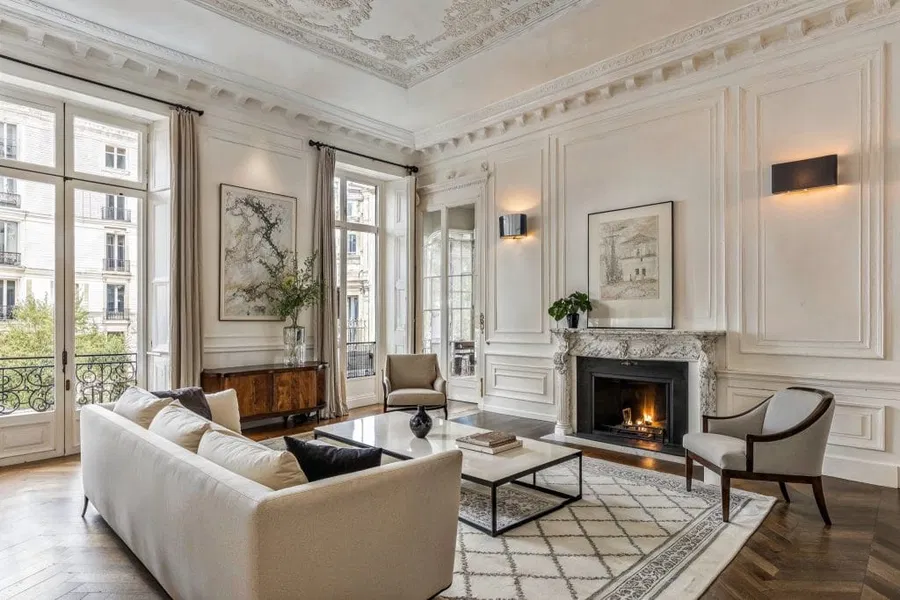
Decorative trim shapes how a room looks and feels. Cornices, skirting boards, ceiling roses and door surrounds add depth to plain walls. In Thailand, builders have long formed these details by hand on site using plaster or carved timber. That method still has its place, but prefabricated moulding (called บัวสำเร็จรูป in Thai) now offers a faster and more consistent option.
Prefabricated mouldings are made in a factory from materials such as polyurethane, gypsum, PVC or engineered wood. Each piece arrives in a standard profile, ready to fit. Installers glue or fix them in place, fill the joints and paint. The result looks like traditional trim without weeks of on-site plaster work.
From detached houses in Chiang Mai to condominium towers in Bangkok, prefabricated moulding solves several common building problems. The sections below explain the main benefits.
Built for Thailand’s Climate
Heat, humidity and monsoon rain are hard on building materials. Solid timber can swell, warp and attract termites. Hand-applied plaster can crack as walls expand and contract.
Polyurethane and PVC mouldings resist moisture and do not rot. Termites ignore them. They also flex slightly, so they cope better with minor structural movement. On coastal properties in Phuket, Hua Hin or Pattaya, where salt air speeds up decay, this durability matters.
Faster Installation
Time on site costs money. Labour shortages across the Thai construction sector have pushed wages up and stretched project schedules.
Factory-made trim cuts installation time sharply. A small team can fit cornices throughout a townhouse in a day or two. On hotels, offices and shopping centres, the savings multiply across hundreds of rooms. Fewer days on site also means less dust and noise, which helps when renovating occupied buildings.
Consistent Quality
Hand-run plaster depends on the skill of each worker, so profiles can vary from room to room. Prefabricated pieces come from the same mould, so every length matches. This suits repeated layouts in serviced apartments, housing estates and retail outlets.
Lower Overall Cost
Materials may cost slightly more per metre than raw plaster. Total project cost usually falls, however. You pay for fewer labour hours, less waste and minimal repair work. Lightweight pieces are also easier to handle and need no heavy fixings.
Design Flexibility
Factories produce a wide range of profiles. Choose clean, modern lines for a minimalist condo or ornate classical patterns for a boutique hotel. Some ranges include Thai-inspired motifs, such as lotus or kranok designs, which suit restaurants, spas and traditional-style homes. Custom moulds are also available for larger orders.
Practical Tips Before You Buy
- Check the material rating for wet areas such as bathrooms and verandas.
- Request fire-resistance data for commercial buildings, in line with Thai building regulations.
- Order around 10 per cent extra to cover cuts and corners.
- Use the adhesive and paint recommended for the chosen material and tropical conditions.
Factory-made trim gives Thai homes and businesses a polished finish with less time, labour and risk. It handles the local climate well, keeps quality consistent and fits a wide range of styles. Compare it against traditional methods before starting your next build or renovation.

Comments are closed.