

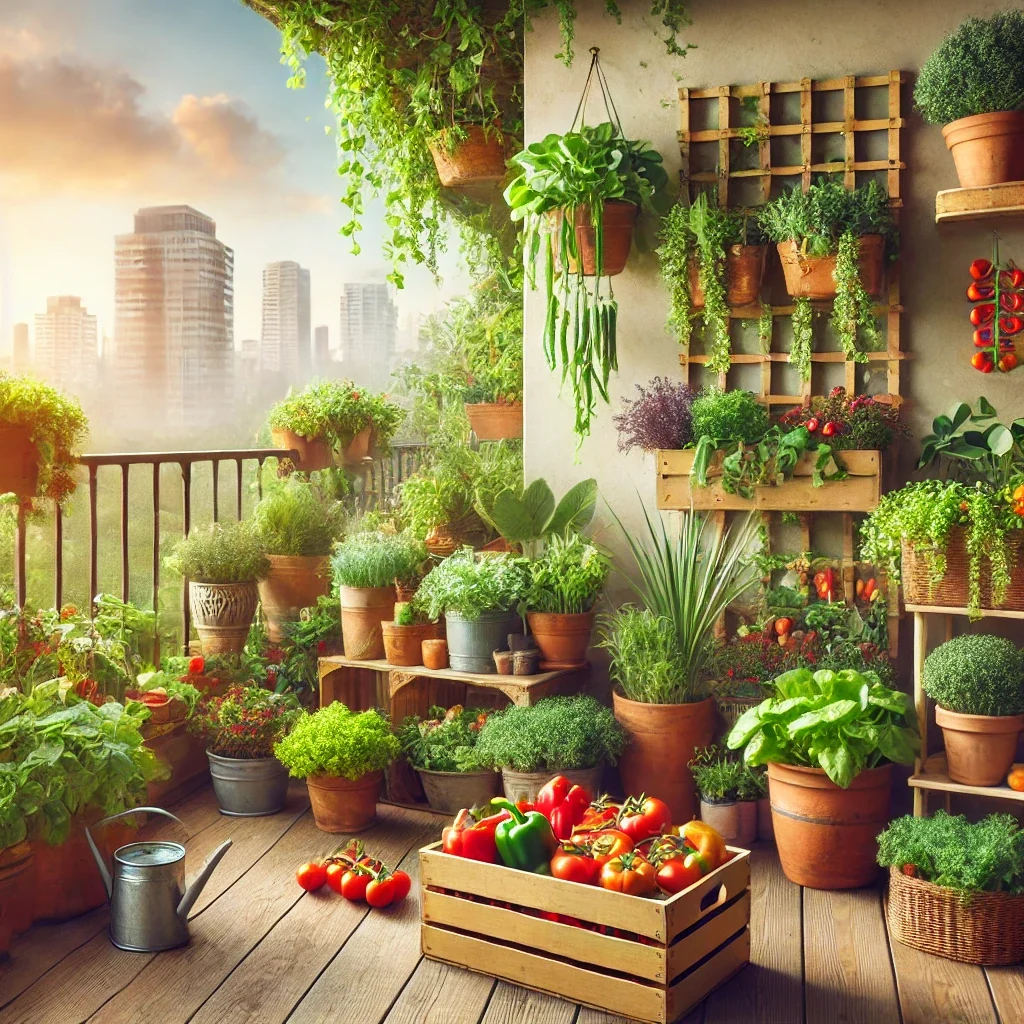
Urban environments, apartments, and modern homes often lack expansive lawn space. However, a small footprint should never prevent you from cultivating a vibrant garden. Container gardening allows you to transform compact balconies, tiny fire escapes, narrow windowsills, and small concrete patios into abundant green oases.
By growing plants in pots, troughs, and hanging planters, you gain full control over soil quality, drainage, sun exposure, and pest management. This comprehensive guide outlines the fundamental principles required to establish, maintain, and maximize a successful container garden in limited spaces.
Selecting the Right Containers for Compact Spaces
The success of your garden depends heavily on the vessels you choose. Pots are not merely decorative items; they serve as the artificial ecosystem for your plants root systems.
Material Options
-
Terracotta and Unglazed Clay: These classic pots offer excellent breathability. The porous nature of clay allows air and moisture to pass through the sides, preventing root rot. However, they dry out quickly in hot weather and can crack in freezing winter temperatures.
-
Plastic and Resin: Lightweight, durable, and highly moisture-retentive, plastic containers are ideal for balconies where weight limits are a concern. They hold water longer than terracotta, reducing the frequency of watering.
-
Fabric Grow Bags: Fabric planters promote air pruning, a process where roots stop growing once they reach the breathable edge, preventing the plant from becoming root-bound. They are light, collapsible for winter storage, and extremely cost-effective.
-
Wood: Wooden window boxes and planters provide natural insulation against sudden temperature spikes. Choose weather-resistant cedar or redwood over pressure-treated wood, especially if you plan to grow edible crops.
Size and Drainage Principles
The most common mistake in small-space gardening is using pots that are too small. Tiny pots hold minimal soil volume, causing root temperature spikes and rapid drying. Always select a container that leaves at least two inches of space around the root ball of your mature plant.
Every container must feature active drainage holes. Waterlogged soil starves root systems of oxygen, leading to fungal rot and eventual plant failure. If a decorative pot lacks bottom holes, use it as a cover pot with a drainage-equipped plastic nursery liner placed inside.
Evaluating Sunlight and Spatial Orientation
Before purchasing seeds or seedlings, observe the exact light patterns of your designated space throughout the day.
-
Full Sun (6 or more hours of direct light): Ideal for fruiting vegetables like tomatoes, peppers, and cucumbers, as well as Mediterranean herbs such as rosemary, thyme, and oregano.
-
Partial Shade (3 to 6 hours of direct light): Suitable for leafy greens including spinach, kale, lettuce, and arugula, along with root vegetables like radishes and carrots.
-
Full Shade (Less than 3 hours of direct light): Perfect for shade-tolerant ornamental plants like ferns, hostas, and begonias, or shade-tolerant edibles like mint and parsley.
Pay attention to structural overhangs, neighboring buildings, and tree lines that cast shadows as the sun changes position throughout the season.
Choosing Soil and Nutrients for Pots
Never use standard garden topsoil in containers. Native garden soil is dense, contains weed seeds, and quickly compacts inside a pot, suffocating roots and preventing water from draining freely.
Potting Mix Formulation
Always fill your pots with a premium lightweight potting mix. A high-quality blend typically contains a mixture of sphagnum peat moss or coconut coir for moisture retention, perlite or vermiculite for aeration, and aged compost for microbial activity.
Fertilization Strategies
Because potted plants require frequent watering, soluble nutrients wash out of the container rapidly. Container gardens require consistent supplemental feeding:
-
Slow-Release Granules: Work a granular, slow-release fertilizer into the soil mix at planting time to provide steady baseline nutrition over several months.
-
Liquid Organic Fertilizers: Apply a liquid kelp or fish emulsion fertilizer every two to three weeks during the active spring and summer growing season to sustain rapid growth and yield.
Maximizing Vertical Space and Layout Efficiency
When horizontal square footage is severely restricted, look upward. Utilizing vertical dimension doubles or triples your potential growing area.
-
Trellises and Walls: Train climbing plants like sweet peas, pole beans, cherry tomatoes, and vining flowers to grow up wall-mounted trellises or bamboo tepees.
-
Hanging Baskets: Utilize sturdy ceiling hooks or wall brackets to suspend tumbling strawberries, cherry tomatoes, or trailing flowering vines above your floor pots.
-
Tiered Plant Stands: Ladder stands and stacked shelving units allow you to display multiple pots on top of each other without blocking access to sunlight.
-
Railing Planters: Secure specialized planters to deck or balcony railings to utilize exterior perimeter space that would otherwise go unused.
Watering Techniques for Container Gardens
Irrigation needs in containers differ significantly from inground beds. The limited volume of soil means containers warm up quickly and dry out rapidly on windy or hot days.
-
The Finger Test: Insert your finger two inches deep into the soil. If it feels completely dry, water thoroughly until water flows freely out of the bottom drainage holes. If it feels cool and moist, hold off on watering.
-
Deep Soak Over Shallow Sprinkling: Always water deeply at the base of the plant to encourage roots to grow deep down into the pot rather than hovering near the surface.
-
Mulching: Apply a one-inch layer of straw, bark chips, or shredded leaves over the exposed topsoil to reduce water evaporation and keep soil temperatures cool during heatwaves.
High-Yield Plants Ideal for Small Spaces
Maximize your return on effort by selecting plant varieties specifically bred for compact growing.
-
Determinate Tomatoes: Unlike wild indeterminate vines, bush or dwarf tomato varieties grow to a set height and yield heavy crops in a small footprint.
-
Cut-and-Come-Again Greens: Harvest outer leaves of lettuce, Swiss chard, and spinach repeatedly throughout the season, allowing the inner leaves to continue producing.
-
Compact Herbs: Basil, chives, cilantro, and mint yield continuous harvests in minimal soil volumes and fit perfectly on narrow kitchen sills.
-
Dwarf Citrus Trees: Calamondin oranges and Meyer lemons thrive in large rolling containers that can be easily moved indoors during cold winter months.
Frequently Asked Questions
How do I prevent heavy pots from damaging my apartment balcony?
Check the structural load limit of your balcony with your building manager before setting up heavy planters. To keep weight down, choose resin, plastic, or fabric grow bags instead of concrete or ceramic pots. You can also mix lightweight perlite into your soil and use plastic plant risers or saucers underneath containers to prevent moisture from pooling directly on the balcony flooring.
Why are the leaves on my potted plants turning yellow?
Yellowing leaves usually point to overwatering, poor drainage, or a nitrogen deficiency caused by nutrients leaching out through regular watering. First check that your soil is not soggy and that drainage holes are clear. If water flows freely and soil moisture is balanced, feed the plant with a nitrogen-rich liquid fertilizer to restore vibrant green foliage.
Can I reuse old potting soil for the next growing season?
Reusing soil straight from old pots can spread plant diseases and pests to new crops while lacking the necessary nutrients for healthy growth. If you want to recycle soil, remove old root masses, mix in equal parts fresh compost, and toss in slow-release fertilizer to restore structure and nutrient density before replanting.
How do I protect container plants from freezing during cold winters?
Potted root systems are far more exposed to sub-zero temperatures than roots cushioned in the ground. Move sensitive pots into an unheated garage or shed before heavy frosts arrive. If pots must stay outdoors, cluster them tightly against a warm brick building wall and wrap the bases in burlap, bubble wrap, or insulating frost blankets.
How often should I re-pot growing plants into larger containers?
Re-pot your plants whenever roots begin poking out of the bottom drainage holes, or when water runs straight down the inside edge of the pot without absorbing into the dense root mass. Moving plants up one or two pot sizes every spring gives the root system fresh soil and room to expand smoothly.
What is the best way to handle pests in a small balcony garden?
Because space is limited, pest outbreaks like aphids, spider mites, or whiteflies can spread across neighboring pots rapidly. Inspect the undersides of leaves weekly, blast minor infestations off with a direct stream of water, and apply organic insecticidal soap or neem oil spray early in the morning to handle stubborn insect populations.
Do container gardens require full sun exposure to produce edible crops?
While fruiting crops like tomatoes and peppers require six to eight hours of direct sunlight, many edible crops thrive on partial sun. Leafy greens, herbs like mint and parsley, and root crops such as radishes and carrots produce very well with as little as three to four hours of bright sunlight per day.

Comments are closed.