

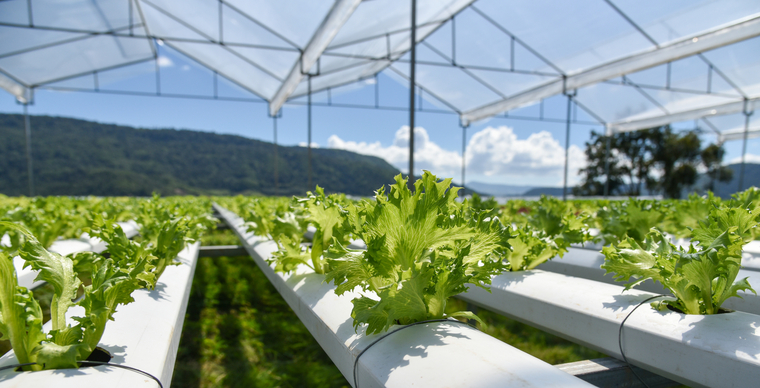
Stepping into greenhouse gardening unlocks possibilities that traditional outdoor plots simply cannot offer. By enclosing your growing area within glass or polycarbonate walls, you create a microclimate that shields delicate crops from harsh winds, unexpected frosts, torrential downpours, and destructive garden pests. A well-managed greenhouse extends your growing season significantly, allowing you to start seeds early in the spring, harvest fresh produce late into the autumn, and cultivate exotic crops that would otherwise fail in your local climate.
For beginners, transitioning from open-air soil beds to a protected environment involves learning how to manage heat, humidity, airflow, and soil nutrition manually. This guide outlines every core principle required to establish, operate, and maintain a successful beginner greenhouse setup.
Choosing the Right Style and Location for Your Greenhouse
Before sowing your first seed, selecting an optimal structure and site sets the foundation for long-term growing success.
Structural Options
-
Freestanding Greenhouses: These standalone structures offer full flexibility in orientation and placement. They receive maximum sunlight from all four sides, making them ideal for large yards and high-volume vegetable production.
-
Lean-To Greenhouses: Attached directly to an existing exterior wall of a house, garage, or shed, lean-to models benefit from structural stability and absorbed building heat. They are highly space-efficient for small yards and offer convenient access to indoor water and electrical connections.
-
Walk-In Hoop Houses: Constructed from flexible PVC or steel arches covered with heavy-duty greenhouse plastic, hoop houses provide an economical, lightweight entry point for home growers tested on a budget.
Site Selection Principles
Choose a level, well-draining spot in your yard that receives at least six to eight hours of direct sunlight daily. Position freestanding greenhouses on an east-to-west axis whenever possible. This orientation ensures that the long side of the structure faces south, capturing maximum sunlight during the low-sun winter and early spring months. Avoid placing the structure under large trees, which cast heavy shade and drop falling branches, leaves, and debris onto glazing panels.
Managing Temperature Control and Ventilation
A greenhouse functions by trapping shortwave solar radiation, which warms the interior surfaces. These surfaces then radiate longwave thermal energy that cannot easily escape through the clear glazing. Without active management, an unventilated greenhouse can quickly overheat, killing plants within hours during warm weather.
Cooling and Air Movement
-
Roof and Side Vents: Natural ventilation relies on thermal buoyancy, where warm air rises and exits through upper roof vents while cooler air enters through lower side louvers. Automatic solar-powered vent openers use thermal wax cylinders that expand and contract to open vents automatically without electricity.
-
Exhaust Fans: Electric exhaust fans provide forced circulation, pulling stagnant hot air out and creating a constant stream of fresh, carbon-dioxide-rich air across plant leaves.
-
Shade Cloths: During intense summer heat, covering the exterior roof panels with a woven shade cloth blocking thirty to fifty percent of light intensity prevents heat stress and foliage scorch.
Supplemental Heating Methods
During cold weather, unheated greenhouses cool down rapidly once the sun sets. Beginner growers can maintain safe nighttime temperatures using several approach methods:
-
Thermal Mass: Storing large dark drums filled with water inside the greenhouse captures ambient solar heat during the daytime and slowly radiates it back into the space overnight.
-
Electric Fan Heaters: Thermostatically controlled electric unit heaters provide reliable, precise heat for starting delicate seedlings early in the season.
-
Bubble Wrap Insulation: Lining interior walls with large-bubble insulation film reduces conductive heat loss through glass or polycarbonate panels without drastically blocking light transmission.
Understanding Humidity, Irrigation, and Soil Management
Enclosed spaces change how water moves through plant systems. High humidity levels combined with stagnant air create ideal conditions for fungal outbreaks like powdery mildew and botrytis grey mold.
Irrigation Best Practices
Water plants early in the morning so that any water splashed onto leaves evaporates fully before nightfall. Avoid overhead watering whenever possible. Installing an automated drip irrigation system or soaking hoses delivers moisture directly to the root zone, keeping foliage dry and reducing unnecessary water loss through evaporation. Always check the top inch of soil moisture before watering; soil inside containers enclosed in a greenhouse stays wet longer on cloudy, humid days.
Air Circulation Strategy
Continuous air movement strengthens plant stems and reduces microclimates of stagnant, damp air around leaves. Run small oscillating fans continuously at low speeds throughout the year to keep air moving gently across bench tops.
Soil and Growing Substrates
Growing directly in ground soil inside a greenhouse can lead to salt accumulation and soil-borne pathogen buildup over time because natural rainfall does not wash through the dirt. Many beginners achieve cleaner, more predictable results using raised garden beds filled with rich compost blends or using portable containers filled with high-quality, sterile potting mixes that drain freely.
Selecting Crops for Year-Round Greenhouse Success
Organizing your crop rotation based on seasonal light levels and ambient temperatures keeps your greenhouse productive through every month.
Spring and Early Summer
Focus on seed propagation and heat-loving summer crops:
-
Seed Starting: Use heated propagation mats to germinate tomatoes, peppers, eggplants, cucumbers, and summer squash weeks before outdoor planting dates.
-
Warm-Season Crops: Plant indeterminate tomatoes, vining cucumbers, and sweet peppers directly in greenhouse beds or large containers to harvest early yield ahead of outdoor growers.
Late Summer and Autumn
Shift focus toward extended harvesting and winter preparation:
-
Second-Wave Vegetables: Sow secondary successions of bush beans, zucchini, and root crops for late autumn yields.
-
Hardy Greens: Transplant hardy leafy crops like kale, spinach, Swiss chard, arugula, and winter lettuces that thrive in cool greenhouse conditions.
Winter Growing
In unheated setups, winter growing focuses on cold-hardy maintenance rather than rapid growth:
-
Overwintering Greens: Mature cold-hardy greens planted in early autumn will hold quietly in unheated winter greenhouses, supplying fresh harvests through frozen months.
-
Root Storage Crops: Carrots, beets, and radishes sown in late summer store exceptionally well directly in moist soil beds under greenhouse cover.
Common Pitfalls to Avoid
-
Overcrowding Plants: Placing pots too close together restricts light access and airflow, creating damp conditions that trigger rapid pest infestations and fungal diseases.
-
Neglecting Hygiene: Keep bench surfaces, tools, and recycled pots sanitized with dilute vinegar or horticultural sanitizers to prevent persistent disease spores.
-
Ignoring Daily Monitoring: Greenhouse management requires regular check-ins. A sudden sunny day in spring can raise interior temperatures dangerously fast if vents remain closed.
Frequently Asked Questions
Do I need a permanent concrete foundation to install a greenhouse?
No, a full concrete slab is not required for most hobby greenhouses. Many home growers secure their greenhouse base frames to compacted gravel pads, treated timber perimeter frames, or concrete deck piers. A gravel floor provides excellent drainage for spilled water while allowing easy cleanup.
What is the difference between single, double, and triple-wall polycarbonate panels?
Single-wall polycarbonate offers clear visibility and basic weather protection but minimal thermal insulation. Double-wall and triple-wall panels feature interior fluted air channels that trap air, providing significantly better thermal insulation to retain heat in cold weather while diffusing harsh sunlight to protect leaves from burning.
How do I control common insect pests like whiteflies and spider mites without harsh chemicals?
Because greenhouses are enclosed, introducing beneficial predatory insects provides highly effective pest control. Ladybugs, green lacewings, and predatory mites control aphid and spider mite populations rapidly. Combining beneficial insects with yellow sticky traps and weekly sprays of insecticidal soap keeps pest populations under control naturally.
Can I run a successful greenhouse without installing electricity?
Yes, an unheated, off-grid greenhouse operates successfully using natural passive ventilation, solar-powered automatic vent openers, and passive thermal mass water barrels. However, adding electricity makes running circulation fans, propagation heat mats, and winter space heaters much easier.
How do I prevent fungal diseases from spreading across seedling trays?
To prevent dampening-off and foliage mold, use sterile seed-starting mix, ensure pots have drainage holes, water from the bottom rather than spraying overhead, and keep small oscillating fans running continuously to maintain light air movement across seedling trays.
Should I shade my greenhouse during the winter months?
No, winter sunlight intensity is low, and sun angles are shallow, meaning your greenhouse needs every ray of direct light it can catch during cold months. Remove shade cloths and clean exterior panels thoroughly in autumn to maximize solar heat absorption and light exposure during winter.
What is the ideal humidity level inside a home greenhouse?
Aim to maintain relative humidity between fifty and seventy percent for most general crops. Humidity levels consistently above eighty percent encourage rapid fungal spore germination, while levels below forty percent slow plant growth and increase susceptibility to spider mite infestations.

Comments are closed.