

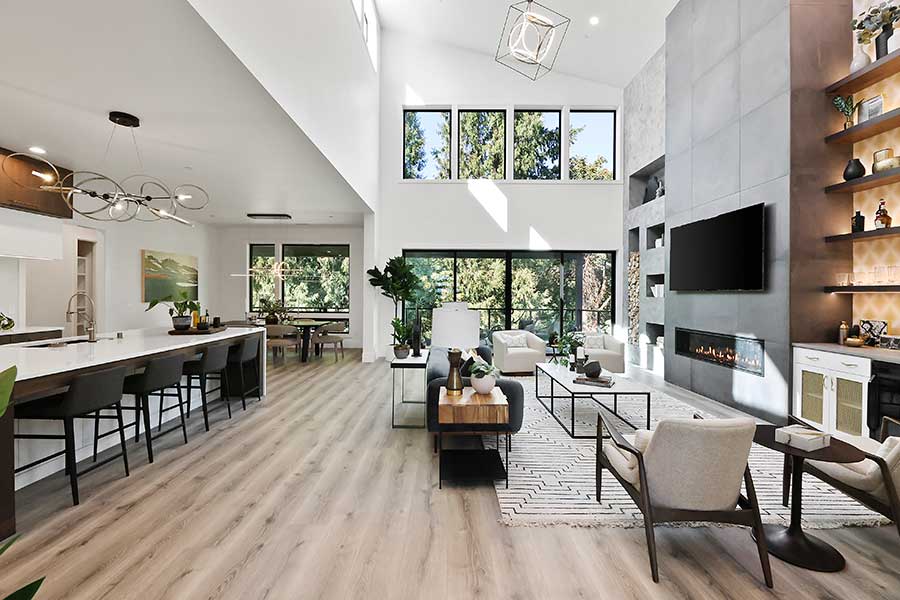
A home is more than a physical structure—it’s a personal sanctuary shaped by comfort, design, and meaningful spaces. Whether you’re moving into a new house or refreshing your current one, creating a balanced and welcoming home environment requires thoughtful planning and intentional choices. This guide explores key elements of a well-designed home and offers practical tips to enhance both style and functionality.
Understanding What Makes a Home Truly Comfortable
A comfortable home reflects your personality while supporting your day-to-day needs. It blends aesthetic appeal with practicality to create an environment where you can relax, work, entertain, and grow.
Essential Characteristics of a Comfortable Home
- Functional layout that allows smooth movement
- Inviting ambiance created through lighting, colors, and textures
- Adequate storage for an organized and clutter-free environment
- Personal touches that make the space distinctly yours
Designing Your Home Layout
Evaluate How You Use Each Space
Every family uses rooms differently. Think about daily routines, traffic flow, and the purpose of each area before determining placement and furniture arrangement.
Consider Open vs. Closed Layouts
- Open layouts create spaciousness and encourage social interaction
- Closed layouts offer privacy and defined room functions
Choose the approach that best suits your lifestyle.
Create Functional Zones
Even in small homes, you can create zones for eating, relaxing, working, and entertaining using rugs, lighting, or furniture placement.
Choosing the Right Colors and Lighting
Color Themes
Colors set the tone of your home.
Popular options include:
- Soft neutrals for calm and coziness
- Rich earth tones for warmth
- Bold accents to add personality
Lighting Layers
A well-lit home uses a mix of lighting types:
- Ambient lighting for general illumination
- Task lighting for reading or cooking
- Accent lighting to highlight art or décor
Essential Home Elements
Comfortable Furniture
Invest in high-quality furniture for frequently used rooms like the living room and bedroom. Comfort, durability, and size should guide your choices.
Smart Storage Solutions
- Built-in cabinets
- Floating shelves
- Under-bed storage
- Closet organizers
Good storage helps maintain order, which directly boosts comfort.
Flooring and Materials
Choose flooring based on room function:
- Tiles for moisture-prone areas
- Wood for warmth in living spaces
- Carpet for comfort in bedrooms
Indoor Plants
Plants add freshness, improve air quality, and enhance the overall ambiance.
Adding Personality Through Decor
Wall Art and Decor
Use framed art, photos, or decorative mirrors to define your style.
Textiles
Rugs, curtains, throws, and cushions add texture, color, and softness.
Personal Collections
Display travel souvenirs, books, or handmade items to infuse authenticity into your home.
Creating a Healthy Living Environment
Ventilation
Proper airflow prevents odors, improves air quality, and reduces moisture buildup.
Natural Light
Maximize sunlight through large windows, mirrors, and light-colored interiors.
Cleanliness and Organization
Maintain a cleaning routine to keep your home fresh and inviting.
Outdoor Home Spaces
Outdoor areas extend your living space.
Consider adding:
- A cozy patio for relaxation
- A garden for greenery
- Outdoor seating for gatherings
- Path lighting for nighttime ambiance
Budget-Friendly Home Improvement Tips
- Repaint walls to refresh the atmosphere
- Rearrange furniture for better layout
- Add affordable décor like cushions or plants
- Upgrade lighting fixtures
- Use DIY solutions for small fixes
FAQ
1. How can I make my home feel more welcoming?
Use warm lighting, soft textiles, and personalized décor to create a cozy atmosphere.
2. What is the most important room to invest in?
Living rooms and bedrooms deserve priority as they are used daily and impact comfort the most.
3. How do I keep my home organized?
Use smart storage, eliminate unnecessary items, and develop simple daily tidying habits.
4. What colors make a home look bigger?
Light neutrals like white, beige, and pale grey visually expand rooms.
5. How do I improve ventilation in my home?
Open windows regularly, use exhaust fans, and incorporate indoor plants.
6. What are simple ways to upgrade my home on a budget?
Try new paint, updated lighting, rearranged furniture, or small decorative accents.
7. How can I create a peaceful home environment?
Reduce clutter, use calming colors, incorporate natural elements, and create quiet zones.

Comments are closed.