

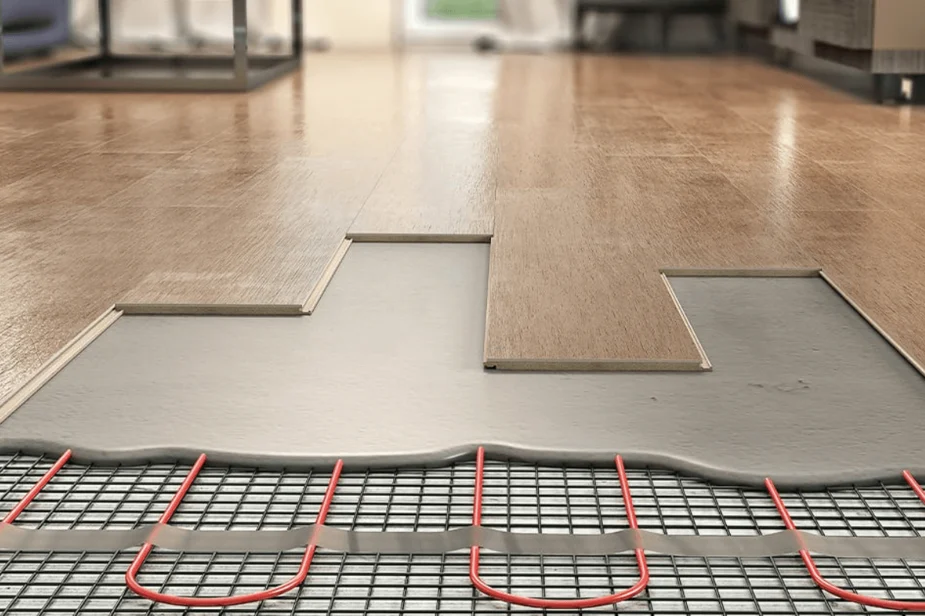
Get the Warmth Without the Worry
Underfloor heating has become a popular way to heat homes efficiently while keeping interiors clean and clutter-free. It offers consistent warmth and eliminates the need for bulky radiators, making it ideal for open-plan living, bathrooms and kitchens. However, not all flooring types perform equally well with this kind of heating system, so careful planning is essential.
If you’re exploring your options for new flooring in Falkirk, it’s important to consider how different materials respond to underfloor heating. Some types conduct heat better, while others may act as insulators or expand and contract with temperature changes. Choosing the right one will help you get the most out of your heating system while maintaining the look and feel you want.
Best Flooring Types for Underfloor Heating
Tile, stone and polished concrete are among the most efficient flooring types when paired with underfloor heating. They conduct and retain heat extremely well, making them ideal for bathrooms, kitchens and conservatories. Because they are dense and stable, they distribute heat evenly and respond quickly when the system is turned on.
Luxury vinyl tile (LVT) is another excellent option. It warms up quickly and is comfortable underfoot. Most modern LVT products are compatible with both electric and water-based systems, provided the maximum temperature does not exceed the manufacturer’s limit. Always check product guidelines before installation to ensure compatibility.
What About Laminate and Engineered Wood?
Laminate flooring can also be used with underfloor heating, but not all products are suitable. It’s essential to choose laminate with a stable core and low thermal resistance. Look for options specifically marked as underfloor heating compatible. Engineered wood is generally a better choice than solid wood, as it handles temperature changes more effectively and is less prone to warping.
Solid hardwood is not recommended. It expands and contracts significantly with changes in heat and humidity, which can cause gaps, lifting or long-term damage. If you’re set on a timber finish, engineered boards are the safer route.
Avoiding Common Mistakes
One of the most frequent mistakes people make is choosing flooring based solely on appearance, without considering its thermal performance. A beautiful floor that blocks heat or reacts poorly to temperature changes could leave you with a cold room and costly repairs.
Another key point is the underlay. Not all underlays are suitable for underfloor heating. Standard foam underlays can act as insulators, preventing heat from reaching the surface. Instead, opt for low-tog underlays designed specifically for heated floors, as they allow efficient heat transfer while still offering comfort and sound reduction.
Getting the Most from Your Floor
To ensure your flooring works well with underfloor heating, always:
- Choose materials with low thermal resistance
- Check the manufacturer’s maximum temperature ratings
- Use the right underlay or adhesive, depending on the floor type
- Allow proper acclimatisation time before installation
- Avoid rugs or thick mats that can block heat output
Pairing the right flooring with underfloor heating can create a comfortable, energy-efficient space that feels great to walk on all year round. A little extra care at the planning stage ensures your flooring choice not only looks the part but performs beautifully too.

Comments are closed.